

Attrition After 6 Months – Why It’s Increasing
Reading Time: 6 min
You spent weeks, sometimes months, crafting the perfect job description, screening hundreds of candidates, running multiple interview rounds, negotiating offers, and celebrating a successful hire. And then, sometime between the five and eight-month mark, your shiny new employee hands in their resignation.
What just happened?
The problem usually did not start at month five. It started on day one. Or sometimes, even before that. The six-month mark used to be celebrated. Now, for many organisations, it’s a checkout counter.
Attrition in the early tenure window is skyrocketing globally, and the reasons go far deeper than “Gen Z does not want to commit” or “the job market is too hot”. Those are lazy takes. As TA professionals, you need a more honest conversation.
The Six-Month Illusion
There’s a psychological phenomenon at play here that does not get nearly enough attention: the honeymoon period wears off, but the reality has not quite set in yet.
In the first few months, new employees are busy absorbing information, navigating new relationships, and figuring out where the good coffee is. They are not yet comfortable enough to voice frustrations. They smile in onboarding sessions. They nod through culture-fit workshops.
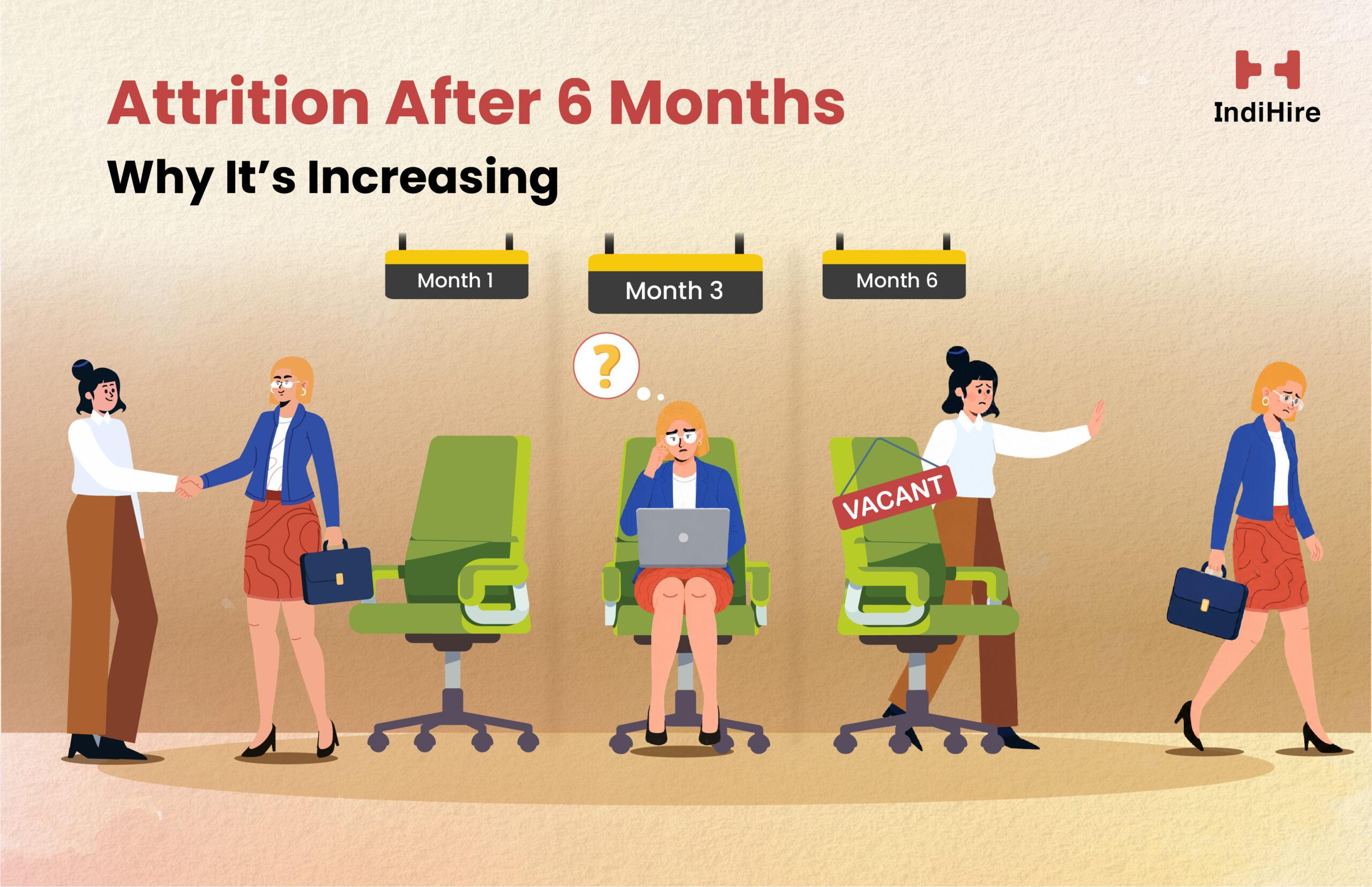
Between months three and six, something shifts. The initial excitement fades. The real work environment reveals itself – its politics, its broken processes, its gap between “what was promised” and “what actually exists”. And that’s when the quiet calculation begins: Is this worth it?
By month six, many have already decided. Your exit interview is just a formality at that point.
What’s Actually Driving Early Exits
There are numerous factors that can influence someone in six months after joining an organisation. These factors decide if they are about to stay or hand in their resignation letter.
The Expectations Gap Is Wider Than Ever
We are not just talking about salary or benefits anymore. We are talking about identity expectations.
Today’s professionals, particularly those in the 25–35 age range, choose jobs the way they choose subscriptions: based on what it says about them and how it fits into their life. When the reality of the role does not align with the identity they expected to build, they leave.
The problem? Most organisations sell a vision during recruitment and then deliver an operation. The job description promised innovation. The reality is eighteen approval layers for a simple tech update. The interview discussed “ownership culture”. The reality is they cannot change a line of text without the manager’s intervention.
Ask yourself: Are your recruiters and hiring managers selling the actual job – or the best version of the job?
Onboarding Ends Too Soon
Most onboarding programmes last 30–90 days, max. After that, new hires are considered “settled in” and largely left to fend for themselves.
But real integration takes six months, not sixty days. The period between months two and six is where employees are building (or failing to build) meaningful connections, understanding unwritten norms, and figuring out whether they truly belong.
Yet this is exactly when companies pull back. The buddy programme wraps up. The check-ins become less frequent. HR moves on to the next batch of joiners.
That silence, that sudden drop in attention, can feel like abandonment. And abandoned employees do not stick around.
Middle Managers Are the Untouched Variable
There’s a saying in HR circles that people do not leave companies – they leave managers. While it is true, yet, most attrition strategies still treat manager quality as a background variable rather than the central lever it is.
The issue is not just toxic managers. It is mediocre managers – people who are technically competent but emotionally unavailable, who give feedback only during annual reviews, who mistake busyness for engagement.
A new hire is at their most vulnerable during early stages of the employment. They are still forming their professional identity within the team. A manager who does not notice. Does not invest or communicate clearly. It can silently kill that employee’s commitment without anyone realising it until it is too late.
Career Path Clarity Is a Luxury Most New Hires Don’t Get
When six months pass, and there has been no conversation about growth, no roadmap, no signal that the organisation is investing in them beyond their current role, they start looking outward.
This is especially true for high performers. The people most likely to leave early are often your best people, because they have options and they are not willing to wait around for a conversation that may never come.
Proactively mapping career trajectories within the first 90–120 days is not just good practice – it is a retention strategy.
What Organisations Should Do Differently
Now, what can you do differently to prevent early attrition? Everyone knows that culture plays an integral role in retention, but there are various other factors that you need to take into account.
Specialised Surveys at Defined Intervals
Not end-of-year surveys. Not annual engagement polls. Short, targeted, anonymous pulse checks specifically designed for employees in their first six months. Questions focused on psychological safety, manager relationship quality, and role clarity.
The data you get here is gold – if you actually act on it.
“Stay Interviews” Before Anyone Thinks of Leaving
Forget exit interviews. By the time someone is telling you why they are leaving, you have already lost. That’s where stay interviews – structured conversations with employees between months three and six help tremendously. Try to find what’s working, what is not. Also, knowing what would make someone want to grow in your organisation, these are the intelligence tools most organisations are sleeping on.
Redesigning Manager Accountability
Tie a portion of manager performance metrics to team retention, especially for employees in their first year. You will see noticeable changes. The coaching quality and communication frequency will improve significantly, improving your retention metrics.
The Bigger Picture
Attrition after six months is not just a recruitment problem or just an HR problem. It is a systemic signal – one that points to misalignment between how organisations present themselves and how they actually function.
The workforce has fundamentally changed. If anyone claims that today’s professionals are less loyal, they are wrong. The newer workforce is just more self-aware. They know what they want, they recognise quickly when they are not getting it, and they have enough options to act on it.
The organisations that will win at retention are the ones offering clarity, connection, and consistency – from day one through month six and beyond.
So, here’s the real question worth sitting with: Are you building an organisation people want to stay in – or just one that’s impressive enough to join?


© 2026 IndiHire.