What If Compensation Was ‘Skill-Based’, Not ‘Role-Based’?
Reading Time: 6 min
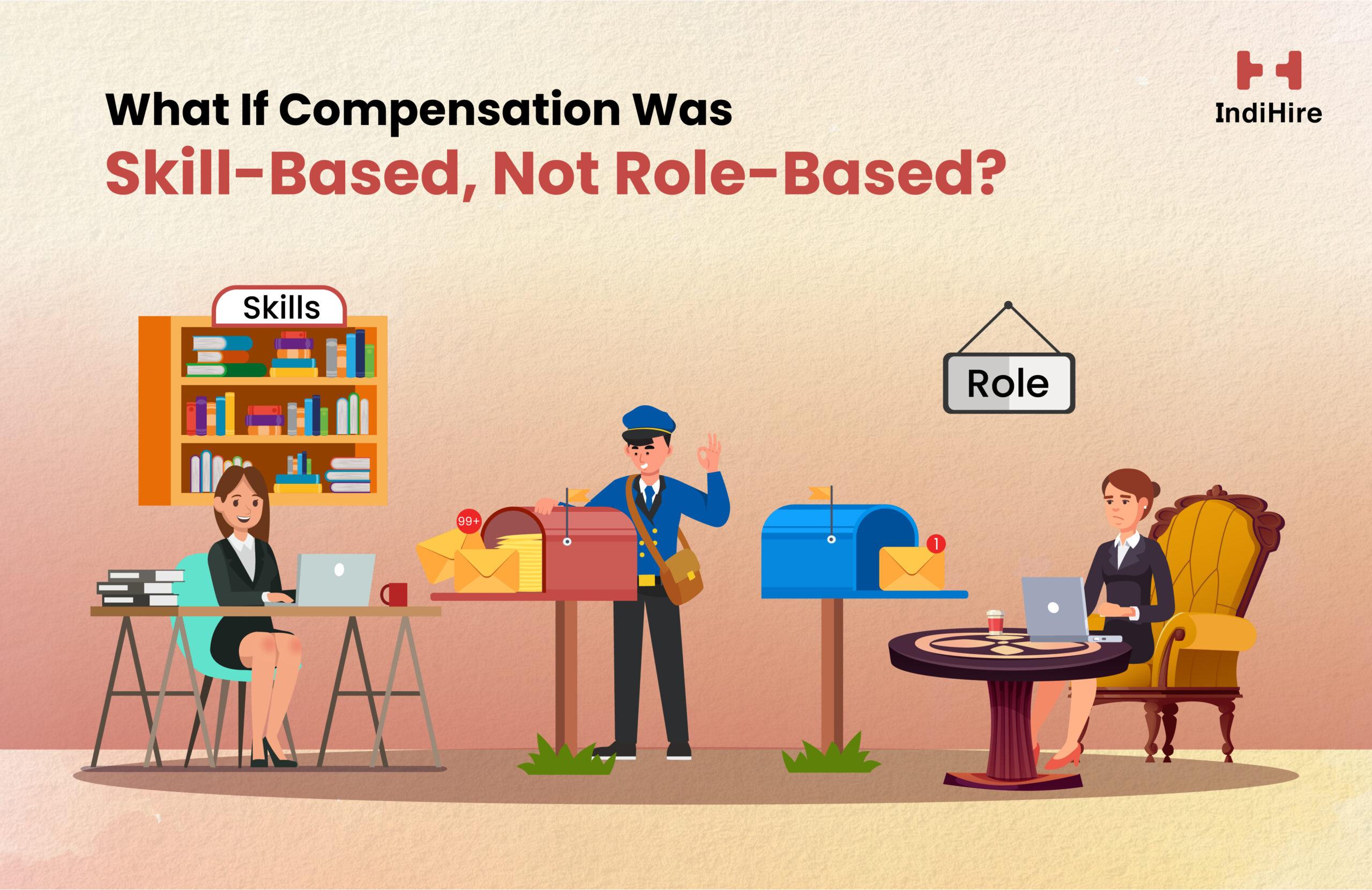
Two professionals sit in the same team, carry the same title, and show up to the same meetings. But one quietly solves problems no one else can touch, while the other sticks to the basics. Yet, when the payday arrives, their compensation looks almost identical.
Does that sound strange? So much!
For years, organizations have paid for roles that are clearly defined, structured, and predictable. But in a world where skills evolve faster than job descriptions, that structure is starting to feel a little outdated. So, what happens if we flip the equation? What if we start paying for what people can ‘actually do’, rather than just the title they hold?
Let’s dig a little deeper into this concept.
Role-Based vs Skill-Based: What is the Real Difference?
First of all, let’s simplify it.
A ‘Role-based compensation’ is like ordering a fixed meal – you pay for the package, regardless of how much you consume. Your salary depends on your job title, experience you hold, and where you sit in the hierarchy.
Skill-based compensation, on the other hand, is more like a buffet. Your value is decided on the basis of the range and depth of skills you bring to the table. The more relevant and critical your skills, the higher your worth.
Sounds fairer, right? In theory, yes. But in practice, it’s a little more layered.
Because while roles are stable, skills are fluid. And managing fluidity at scale? That’s where things get interesting.
Why This Shift Is Gaining Attention Now
This concept did not just appear out of the blue. Technology has played a crucial role in shaping the dynamic in the bigger picture.
In today’s AI-driven workplace, skills become outdated quickly, and new ones become the star overnight. A developer who understands AI integration or a recruiter who can leverage data analytics suddenly becomes far more valuable than what their job title suggests.
Organizations are slowly but surely realizing that ‘Job descriptions don’t define value anymore, skills do’. The significant shift in hiring strategies of companies as well has made this even more visible. Organizations are now focusing more on skill-based hiring. ‘What candidates can actually do’ holds the credibility nowadays rather than where they have worked in the past.
Naturally, compensation is the next logical step in this evolution that has seen a different route on this compensation journey.
The Big Question: Is Skill-Based Pay Fair or Flawed?
Now is the time to discuss the uncomfortable part. While skill-based compensation sounds progressive, it also comes with its fair share of complications.
Let’s break it down honestly.
The Upside – Why It Makes Sense
- Rewards real contribution: High performers are recognized for what they actually bring to the table, and not just their title.
- Encourages continuous learning: When skills drive pay, employees have a clear vision to upskill and contribute more.
- Aligns with business needs: Organizations can directly reward critical, in-demand capabilities.
The Downside – Where It Gets Tricky
- Can make one feel unequal: Two people in the same role earning very different salaries can create friction among employees.
- Difficult to measure: How do you objectively value one skill against another? It may get difficult in certain situations to judge based on skills for the same role while hiring.
- Short-term focus risk: Employees might chase trending skills instead of building long-term expertise in a particular niche.
So, is it fair? Or does it quietly create a new kind of imbalance? That depends entirely on how thoughtfully it’s implemented.
How Hiring and Organizations Would Change
If compensation becomes skill-based, hiring would not stay the same, and it will transform as well with the changing dynamics.
First, job descriptions would evolve from rigid checklists to dynamic skill maps. Instead of hiring for a “Senior Developer,” you might want to hire a combination of backend expertise, AI capability, and system design thinking.
Second, the hiring conversation itself shifts. Candidates are no longer evaluated just on the basis of their experience but on demonstrated capability. Portfolios, real-world problem solving, and project-based assessments become more important than polished resumes.
And internally, organizations would need to rethink structure:
- Career paths become less linear and more flexible.
- Learning and development move from optional to essential.
- Managers become talent enablers, not just performance reviewers.
Interestingly, companies in tech and consulting spaces have already started experimenting with this model, which is all about rewarding niche expertise, critical certifications, or emerging tech capabilities differently, even within the same role.
The Hidden Impact No One Talks About
Here’s where it gets even more interesting.
Skill-based compensation subtly shifts workplace power dynamics. Employees who continuously evolve gain more control over their earning potential. Loyalty becomes less about tenure and more about relevance.
It’s a bit like turning every employee into a startup – constantly upgrading, constantly competing, constantly visible. Exciting? Yes. Exhausting? Also yes.
So, What’s the Right Approach?
The answer is not choosing one over the other, but finding the right balance between the two.
Organizations won’t completely abandon role-based structures; they will strategically blend them with skill-based elements to create a more dynamic system.
Think of it as:
- A stable base salary defined by role
- Variable growth driven by skills, impact, and contribution
This hybrid approach allows companies to maintain fairness while still rewarding agility and expertise.
Because at the end of the day, organizations need not only skilled individuals, but they need sustainable systems.
Rethinking Value in a Skills-First World
The workplace is changing, whether compensation models catch up or not. Skills are becoming the real currency of work, and organizations that recognize this early will have a clear advantage in attracting and retaining top talent.
But this shift needs care. Because while skills drive performance, structure drives stability.
The real opportunity lies in redesigning compensation in a way that respects both – rewarding what people bring today while building what they can become tomorrow.
Because maybe the future of work is not about choosing between roles and skills.
It is about finally understanding how to value both without losing the human side of work in the process.


© 2026 IndiHire.